Hey there! I’m a supplier of CNC Threaded Components, and I know how crucial it is to get that chip control right during machining. Let’s dive into how we can improve it. CNC Threaded Components

First off, why is chip control so important? Well, when we’re machining CNC threaded components, chips that aren’t properly controlled can mess up the whole process. They can get in the way, cause tool wear, and even lead to poor surface finish on the components. And as a supplier, we can’t afford to have sub – standard products going out.
Understanding the Types of Chips
Before we talk about how to control them, we need to understand the different types of chips we might encounter. There are mainly three types: continuous chips, segmented chips, and discontinuous chips.
Continuous chips are long and stringy. They’re usually formed when machining ductile materials. The problem with these is that they can easily wrap around the tool or workpiece, causing all sorts of headaches. Segmented chips look like a series of connected segments. They’re a bit more manageable than continuous chips but can still pose issues if not dealt with. Discontinuous chips are small and broken pieces. These are generally easier to handle, but if they accumulate in the wrong places, they can still cause problems.
Tool Selection
One of the first steps in improving chip control is choosing the right tools. First, the geometry of the cutting tool matters a lot. A tool with a proper rake angle can help break the chips more effectively. For example, a positive rake angle can reduce cutting forces and make the chips more likely to break.
The nose radius of the tool is also important. A smaller nose radius can help in generating smaller chips, which are easier to control. But we’ve got to be careful not to make it too small, as it can reduce the tool’s strength.
Another thing is the coating on the tool. A good coating like TiN (Titanium Nitride) or TiAlN (Titanium Aluminum Nitride) can reduce friction. Less friction means less heat generation, and this can lead to better chip formation and control. I’ve seen firsthand how a well – coated tool can make a big difference in the machining process. We’ve had some jobs where we switched to coated tools, and the chip control improved significantly, leading to fewer breaks in the machining process.
Cutting Parameters
The cutting parameters we choose are also key to chip control. Let’s start with the cutting speed. If the cutting speed is too low, we might end up with long, continuous chips. On the other hand, if it’s too high, the tool can overheat, and the chips can become even more difficult to manage. We’ve got to find that sweet spot.
For most materials, we usually start by checking the manufacturer’s recommendations for cutting speed. But then we also do some trial runs to see what works best for our specific setup. It’s a bit of a balancing act, but once we get it right, the chip control improves a lot.
Feed rate is another important parameter. A higher feed rate can help break the chips more easily. But if it’s too high, it can cause excessive tool wear and a poor surface finish on the component. We often find that a medium – high feed rate works well for many applications when aiming for good chip control.
The depth of cut also plays a role. A smaller depth of cut can produce shorter chips, which are easier to manage. But if the depth of cut is too small, the machining process can take forever, and it can also lead to chip welding on the tool. So, we need to find the right depth that gives us good chip control without sacrificing too much on efficiency.
Coolant and Lubrication
Using the right coolant and lubrication is often overlooked, but it’s super important for chip control. Coolant helps in reducing the heat generated during machining. When the temperature is high, chips tend to stick together and become more difficult to break. A good coolant can keep the temperature in check and prevent this from happening.
We have different types of coolants, like water – based and oil – based coolants. Water – based coolants are great for heat dissipation and are usually more environmentally friendly. Oil – based coolants, on the other hand, provide better lubrication, which can reduce friction and help in chip formation.
We usually choose the coolant based on the material we’re machining. For example, when machining aluminum, a water – based coolant with good lubricating properties works well. When it comes to steel, an oil – based coolant might be a better option.
In addition to using coolants, we also need to make sure that they’re applied properly. The coolant should be directed at the cutting zone to effectively cool the tool and the workpiece and flush away the chips.
Chip Management Systems
Investing in good chip management systems can really take our chip control to the next level. There are different types of systems available, like chip conveyors. These conveyors can automatically remove the chips from the machining area, preventing them from accumulating and causing problems.
We’ve also got vacuum systems that can suck up the chips. They’re great for small chips and can keep the work area clean. Another option is the chip breakers that can be attached to the cutting tool. These breakers are designed to break the chips into more manageable sizes right at the source.
As a supplier of CNC threaded components, we’ve found that having a combination of these systems in place can make the machining process much smoother. We’ve reduced the downtime caused by chip – related issues significantly since we started using these systems. And our customers have noticed the improvement in the quality of our products.
Operator Training
Last but not least, operator training is essential. A well – trained operator can make all the difference in chip control. They need to understand how the different factors we’ve talked about – tool selection, cutting parameters, coolant use, and chip management systems – interact with each other.
We provide regular training to our operators on how to set up the machining process for optimal chip control. We also encourage them to share their experiences and insights. Sometimes, an operator on the shop floor might come up with a new way to control chips that we haven’t thought of.
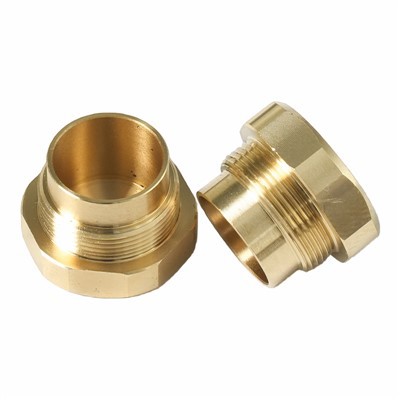
By investing in our operators’ skills, we can ensure that we’re consistently producing high – quality CNC threaded components. After all, the success of our business depends on the quality of what we deliver to our customers.
Aluminum Turned Parts If you’re in the market for high – quality CNC threaded components and want to work with a supplier who really knows their stuff when it comes to chip control and overall machining quality, I’d love to have a chat with you. Feel free to reach out and let’s start a conversation about your needs.
References
- Boothroyd, G., & Knight, W. A. (2006). Fundamentals of Machining and Machine Tools. Marcel Dekker.
- Kalpakjian, S., & Schmid, S. R. (2010). Manufacturing Engineering & Technology. Pearson.
- Trent, E. M., & Wright, P. K. (2000). Metal Cutting. Butterworth – Heinemann.
Huizhou Quanyi Precision Hardware Products Co., Ltd.
Address: Building A10, 7th Floor, Zhongchuangyingke 5G Industrial Park, Zhonghan Industrial Park, Tonghu Town, Huizhou City
E-mail: info@qycncturning.com
WebSite: https://www.qycncturning.com/
