Hey there, thanks for dropping by! If you’ve ever been in the market for valves—whether you’re running an oil and gas operation, a chemical plant, a power generation facility, or even a water treatment setup—you’ve probably stumbled across two main types: cast and forged. And let’s be real, picking the right one can make or break your whole system. Today, I’m breaking down why forged steel valves are the unsung workhorses of industrial piping, especially straight from someone who’s been supplying these bad boys for years. No stuffy jargon, no cookie-cutter sales pitches—just the real deal on their advantages. Forged Steel Valves
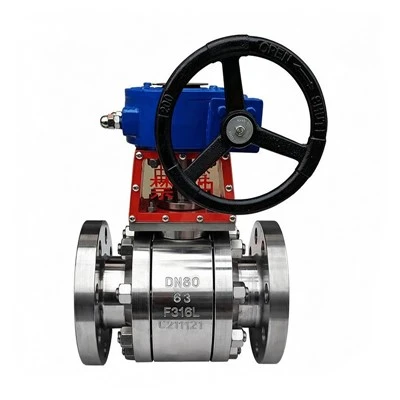
First off, let’s get one thing straight: forged steel valves aren’t some random upgrade. They’re made by heating a solid steel billet (not melted scrap metal, like a lot of cast stuff) to just below its melting point, then hammering and shaping it under extreme pressure. That process isn’t just for looks—it changes the molecular structure of the steel, and that’s where their superpowers start. Cast valves, by contrast, are poured into molds, which can leave tiny gaps, bubbles, or weak spots in the metal. Forged ones? They’re denser, more uniform, and way less likely to develop defects. That matters a ton when you’re dealing with high pressure, extreme temperatures, or corrosive chemicals—stuff that would make a flimsy cast valve crap out fast.
Let’s talk about pressure first. If your system is moving fluids or gases at, say, 1,500 PSI or higher, or operating at subzero temps (think arctic pipelines) or over 1,000°F (like in a coal-fired power plant), forged steel valves hold their ground way better than cast. I’ve had customers tell me stories of cast valves blowing out after a year, while our forged ones are still running strong after a decade. Why? The forging process eliminates porosity—those little air pockets in cast metal that act like weak points. When pressure spikes, those pockets can crack or expand, leading to leaks or total failure. Forged steel’s tight, consistent structure means it can withstand way more stress without breaking. That translates to less downtime for you—no emergency valve replacements in the middle of a critical operation, which saves you a boatload of money. I’ve seen a refinery lose $100,000+ in a single day from an unplanned shutdown, so investing in valves that can handle the pressure isn’t just smart—it’s a necessity.
Next up, temperature extremes. Industrial processes don’t play nice with moderate temps. Some setups need to freeze fluids to super low temps, others heat them to molten levels. Forged steel valves handle both way better than alternatives. Let’s take cryogenic applications, like LNG (liquefied natural gas) transport. Cast steel gets brittle at super low temps—kind of like a cold soda can you drop, it shatters. Forged steel, though, retains its toughness because the forging aligns the metal’s grain structure to resist temperature-related stress. On the hot side, like in boiler systems or petrochemical reactors, forged steel doesn’t warp or lose strength as the metal heats up. Cast steel might soften a bit at high temps, which leads to leakage or seal damage. Our forged valves keep their shape and seal tight, even when the line’s pumping 900°F steam.
Corrosion resistance is another big one—especially if you’re working with chemicals, seawater, or even just tap water with high mineral content. Wait, hold up: it’s not that forged steel is inherently “rust-proof,” but the forging process makes it more resistant to corrosion than cast. Why? Cast metal has a rougher surface and those porosity gaps where corrosive substances can seep in and eat away at the metal from the inside out. Forged steel’s smooth, dense surface is way harder for chemicals to penetrate. We carry forged steel valves in different grades too—like F316 for more aggressive chemicals, or F22 for high-temp corrosion in refineries. A customer who works with fertilizer plants told me they switched from cast to our forged valves and cut their corrosion-related valve replacements by 70% in the first two years. That’s not just less hassle—it’s a huge cost saver, because chemical-resistant valves aren’t cheap, but replacing them half as often means you’re coming out ahead.
Wait, let’s not forget about durability and longevity. I’ve seen cast valves look good on the outside, but inside, those mold lines and weak spots mean they wear out faster, especially when you’re cycling valves on and off (like in pipeline control systems). Forged steel’s uniform structure means the valve’s internal parts—like the stem, gate, or ball—wear evenly. No uneven wear that leads to leaks or a stuck valve. One of our power utility customers told me their forged steel gate valves have lasted 15+ years, while their cast ones needed replacement every 5 to 7. Over time, that adds up. Plus, forged valves can often be repaired or reconditioned, too—you can machine the seal surfaces or replace internal parts without having to toss the whole valve. Cast valves, on the other hand, are usually a one-and-done when they wear out, because the structure can’t handle the machining needed to fix them. That’s another win for your bottom line and your supply chain—less waste, fewer orders, more reliability.
Customization might not sound like a big advantage, but for a lot of industrial projects, one size doesn’t fit all. Forging lets us shape the valve exactly to your specs, whether that’s a specific size, connection type, or even adding custom features like extended stems for underground installations or high-temperature seals. Casting can only do so much—molds are expensive, and changing the design means making a new mold, which is costly and slow. With forged valves, we can adjust the shape and size faster, no new molds needed, so we can get you the valve you need when you need it. I’ve worked on a few small-scale projects where the customer needed a unique valve that off-the-shelf stuff didn’t fit, and forged was the only way to make it work without waiting weeks for custom cast parts.
Now, let’s be real—forged steel valves aren’t perfect. They’re a bit more expensive upfront than cast ones, right? But here’s the thing: when you factor in downtime, replacement costs, and safety, that upfront cost is a no-brainer. I always tell customers to do the math: if a cast valve costs $500 and lasts 5 years, that’s $100 a year. Our forged valve costs $1,200 and lasts 15 years? That’s $80 a year, and you’re not risking a shutdown that could cost way more. Plus, safety is huge. A valve failure in a chemical plant or oil pipeline can lead to spills, fires, or even injuries. Forged valves’ reliability means less risk, which is something no amount of money can put a price on. If you’re in a business where safety and uptime matter, the extra initial cost for forged steel valves is a solid investment.
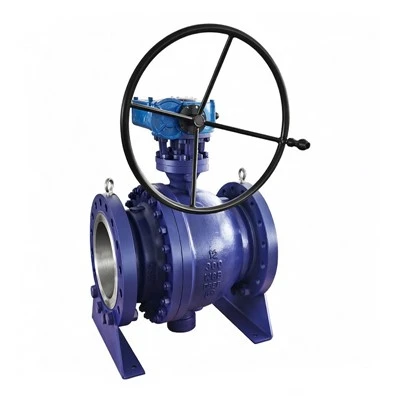
I’ve been supplying forged steel valves for almost a decade now, and the number one thing I hear from customers who switched is, “Why didn’t we do this sooner?” It’s not rocket science—forged steel is stronger, more durable, handles extreme conditions better, and saves you money in the long run. Whether you’re a plant manager looking to cut downtime, a maintenance engineer tired of replacing valves every few years, or a project designer needing a reliable component for a new build, forged steel valves check all the boxes.
Ball Valve If you’re tired of dealing with valve failures that cost you time and cash, or you’re working on a project that needs something that can stand up to the rigors of industrial use, hit me up to chat about your needs. We can go over your specific application, recommend the right grade of forged steel valve, and get you a quote that makes sense for your budget. No pressure, no pushy sales talk—just someone who knows these valves inside and out, ready to help you find the right solution.
References
- American Society of Mechanical Engineers (ASME). (2021). B16.34: Valves – Forged Valves. ASME International.
- Puhakka, T. (2019). Forging of Steel: Principles and Applications. Woodhead Publishing.
- Global Industrial Valve Manufacturers Association. (2022). Forged vs. Cast Valves: Performance Comparison Report. GIVMA.
- Petrochemical and Natural Gas Suppliers Association. (2021). Recommended Valve Materials for High-Pressure, High-Temperature Applications. PGNGA.
Zhejiang Chenxiang Valve Co., Ltd.
We are one of the most professional forged steel valves manufacturers and suppliers in China, also support customized service. We warmly welcome you to wholesale high quality forged steel valves in stock here from our factory. If you have any enquiry about quotation, please feel free to email us.
Address: No. 126 Zhongxing Road, Wenzhou Industrial Park, Longwan District, Wenzhou City, Zhejiang Province
E-mail: vip@chenxiangvalve.com
WebSite: https://www.cxindustrialvalve.com/
