If you’ve ever worked with industrial environmental equipment – think air purifiers, wastewater treatment systems, or dust collectors – you know the big machines get all the hype. But what keeps them running smoothly? The tiny, easily overlooked accessories: filter cartridges, pressure gauges, seal kits, UV lamps, and pH sensors. As someone who’s been in the environmental equipment accessories supply game for over a decade, I can’t tell you how many times customers come to me panicking because their main system is down, only to find a $20 accessory is the root of the problem. Today, I’m breaking down the real maintenance costs of these accessories, what you’re actually paying for, and how to avoid blowing your budget on unnecessary replacements. Environmental Equipment Accessories
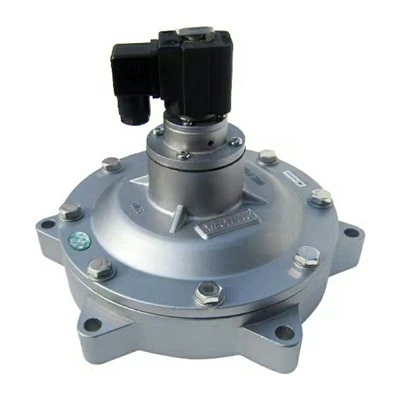
First, let’s get one thing straight: maintenance costs for environmental equipment accessories aren’t one-size-fits-all. A lot of it depends on what accessory we’re talking about, how often you use the equipment, and the harshness of the environment it’s operating in. For example, a dust collector working at a sawmill (super high dust load) is going to burn through filter cartridges way faster than one in a clean manufacturing plant. Same with a wastewater treatment system in a food processing facility – high levels of organic waste will kill pH sensors way quicker than a municipal treatment plant with regulated wastewater.
Let’s start with the most common accessory: filter cartridges. These are the workhorses of almost every environmental system, and also the biggest drain on accessory maintenance budgets. The average lifespan of a standard pleated filter cartridge is 3 to 6 months in heavy-use applications, and up to 12 months in lighter, cleaner setups. Replacement costs? A single standard filter can run $50 to $200, depending on size and material. Wait, I know what you’re thinking – that doesn’t sound too bad, but multiply that for 10 systems at a plant, and that’s $500 to $2,000 every 3 months. Throw in labor costs to change them out, and suddenly you’re looking at $1,000 to $3,500 per quarter just for filters.
But here’s the thing: a lot of people replace filters too early, which wastes money, or too late, which causes bigger problems. I had a customer last year who was buying cheap off-brand filters to save 20% on each one, and they were wearing out in 2 months instead of 6. That ended up costing them 3x more in replacements, plus the time they had to shut down their paint booth to clear excess dust, which made their whole production line stop. So when we talk about filter maintenance costs, it’s not just the cost of the part – it’s the hidden cost of downtime, which can be way more expensive than the accessory itself.
Next up, seal kits and gaskets. These tiny, rubber or silicone parts are what keep your equipment from leaking air or wastewater, and they’re way more important than people realize. The average lifespan of a seal kit is 12 to 24 months, but again, it depends on the environment. If your equipment is exposed to extreme temperatures, chemicals, or moisture, seals can fail in 6 months. A standard seal kit for a small pump or valve is $30 to $100, but for larger industrial systems, they can go up to $300. Here’s where the cost adds up: if you have to replace a seal every 6 months, that’s $600 a year, and if the seal fails and causes a leak, you’re looking at water damage, contaminated runoff, or even pressure drops that make your whole system less effective. I’ve seen a $50 seal kit cause $10,000 in cleanup and repairs because no one checked it regularly.
UV lamps are another big one, especially for air and water disinfection systems. These lamps work by killing bacteria and viruses, but they lose their effectiveness over time, even if they’re still lit. The industry standard is that UV lamps need to be replaced every 12 months, even if you can see they’re on. A single UV lamp can run $80 to $400, depending on the wattage and type. Labor to replace them is usually simple, so that’s not too bad, but here’s the catch: if you don’t replace them on schedule, your disinfection rates drop, which can lead to regulatory fines or even health issues if you’re treating water for a facility or public space. One of my water treatment customers got a $25,000 fine last year because their UV lamps were 3 months past replacement and their E. coli levels were too high. So that’s a maintenance cost no one wants to face.
Sensors – pH sensors, dissolved oxygen sensors, pressure gauges – these are the “eyes and ears” of your environmental equipment, and they’re super fragile. The lifespan of a sensor is usually 1 to 2 years, but if they’re exposed to harsh chemicals, sediment, or high temperatures, it can be as short as 6 months. A basic pH sensor is $100 to $300, while a more specialized dissolved oxygen sensor can be $500 to $1,500. And here’s the thing: you can’t just replace a sensor when it stops working. You have to calibrate it, test it, and make sure it’s working correctly, which adds labor time. If your sensor is off by even a little, your whole treatment process can get thrown off. For example, if your pH is too low in a wastewater system, it can corrode your pipes, or if it’s too high, it can harm the biological treatment bacteria. That leads to more repairs, more downtime, and even more chemical costs to fix the imbalance.
Now, let’s talk about the hidden costs that no one tells you about when calculating accessory maintenance. First, storage and inventory. A lot of businesses buy all their accessories in bulk to save money, but that means tying up cash in parts that might expire or go bad before you use them. Filters can lose their effectiveness if stored in a hot, humid place, and seals can degrade if they’re left on a shelf for more than a year. So bulk buys aren’t always the best deal, even if the per-unit cost is lower. Second, training your staff. If your team doesn’t know how to properly replace accessories, they can damage the main equipment during the process, leading to expensive repairs. For example, I’ve seen a tech who over-tightened a filter cartridge, cracked the housing, and had to replace the whole $2,000 dust collector housing, all because he didn’t know the proper torque specs.
Third, compliance and fines. Environmental systems are regulated, and if your accessories are not working correctly, you can get hit with big fines. In the US, the EPA can issue fines up to $50,000 per day for violations, and that adds up fast. So maintaining your accessories isn’t just about keeping your equipment running – it’s about avoiding legal fees too. And finally, energy costs. A filter that’s clogged will make your fan work harder, using more electricity. I had a customer who found that replacing their filters 2 months early (instead of waiting till they were completely clogged) saved them $1,200 a year on their electric bill. That’s a cost savings most people don’t consider.
So how do you actually budget for accessory maintenance without breaking the bank? Let’s get practical. First, track your equipment’s usage. Keep a log of when you replace each accessory, how long it lasts, and the conditions it was working in. That way, you can figure out the exact lifespan for your specific setup, not the industry average. For example, if your filter cartridges last 4 months instead of 6, you can adjust your budget accordingly. Second, don’t skimp on quality, but don’t overbuy either. Cheap off-brand parts might seem like a deal, but they often wear out faster and cause more problems. However, there’s no need to buy the most expensive OEM part if a high-quality aftermarket one works just as well. Third, schedule regular inspections. Don’t wait until an accessory breaks to check it. A quick monthly check can catch a small seal leak or a dirty sensor before it becomes a big problem, saving you money on repairs and downtime. Fourth, plan for downtime. When you do need to replace accessories, have a spare on hand so you don’t have to wait for shipping when your main system goes down. Most suppliers can offer quick shipping for emergency orders, but it might cost more, so having a spare is a good investment.
As someone who’s in the accessories business, I talk to customers every day who are stressed about maintenance costs. The biggest mistake people make is treating accessories afterthoughts, not critical parts. But the truth is, 80% of environmental equipment breakdowns are caused by a faulty or worn-out accessory, not the main machine itself. So when you budget for your environmental equipment, don’t forget to set aside money for the small parts that keep everything running. It might seem like extra expense now, but it will save you from way bigger costs later.

If you’re not sure what accessories you need for your specific system, or you want help figuring out a realistic maintenance budget, feel free to reach out. We can help you assess your equipment, recommend the right parts, and work with you on a schedule that fits your needs. Don’t let small maintenance costs turn into big headaches – we’re here to make it easy.
Dust Removal Equipment References
- U.S. Environmental Protection Agency. (2022). Environmental Equipment Maintenance Best Practices. Retrieved from EPA’s Office of Water
- Industrial Ventilation: A Manual of Recommended Practice. (2021). American Conference of Governmental Industrial Hygienists (ACGIH)
- Wastewater Treatment Accessories: Lifespan and Cost Analysis. (2023). Water Environment Federation (WEF)
- Energy Savings from Regular Filter Replacement in Industrial Systems. (2022). Institute of Electrical and Electronics Engineers (IEEE) Industrial Technology Magazine
- UV Disinfection System Maintenance Guidelines. (2021). National Sanitation Foundation (NSF) International
Hebei Angran Environmental Protection Equipment Co., Ltd.
As one of the most professional environmental equipment accessories manufacturers and suppliers in China, we’re featured by quality products and good service. Welcome to wholesale durable environmental equipment accessories in stock here and get pricelist from our factory. We also accept customized orders.
Address: North of Jiaoqiao Village, Waliwang Town, Botou City, Cangzhou City, Hebei Province, China
E-mail: angranhb@163.com
WebSite: https://www.arhbsb.com/
