Hey there! If you’re here because you’re hunting for the right printing options for flexible bags—whether you’re a brand launching a new snack line, a pet product company sprucing up your packaging, or someone just testing the waters with custom pouches—you’ve landed in the right spot. I’m part of the team that’s been making flexible bags for over 12 years, and let’s be real: printing isn’t just about making your bag look pretty. It’s how you grab a shopper’s eye on a crowded shelf, share your brand story, and even meet regulatory stuff (like nutrition labels for food). Today, I’m breaking down the printing options we actually use day-to-day, what works for different needs, and the stuff we tell our clients when they’re stuck choosing. No fancy jargon, just straight talk. Flexible Bags
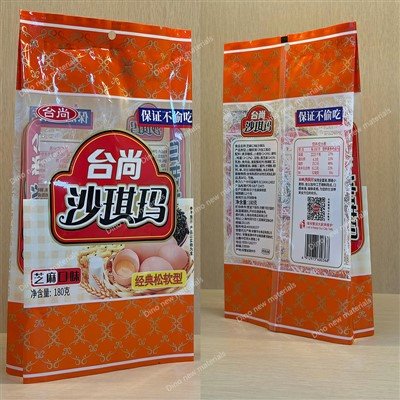
First off, let’s get one thing out of the way: flexible bags aren’t like cardboard boxes or plastic bottles. They’re thin, often made of multiple layers (think: PET for strength, PE for sealing, maybe a foil layer for light protection), so printing has to stick to that, not just a flat, solid surface. The last thing we want is for your logo to peel off after a few uses or smudge when the bag’s filled with granola.
Let’s start with the most common one we see for mid-volume runs: flexographic printing, or flexo for short. Yeah, I know it sounds old-school, but it’s still the workhorse of flexible packaging. Here’s how it works: we use flexible rubber plates with your design etched into them, roll them with ink, and press them onto the moving bag material. The best part? It’s fast for long runs—like, if you need 50,000+ bags, flexo’s way cheaper than some other methods because the setup cost spreads out over more units. Wait, but don’t write it off for small runs now—with modern digital flexo presses, we can do runs as low as 10,000 too, which is perfect for startups testing a new flavor. The downside? If you have super detailed designs, like a gradient photo or tiny text, flexo might not cut it. The rubber plates can blur fine lines sometimes, and you’re limited to like 8-10 colors max, unless you do extra setup. Also, we usually use solvent-based inks here, but we switched to water-based a few years back because clients were bugging us about sustainability. Solvents aren’t great for food contact, so that’s a big win for brands selling snacks or pet food. I’ve had clients come in thinking flexo is “cheap” because the setup is lower than gravure, but they end up paying more per bag if they only need 5k. So volume is key here.
Next up, gravure printing—aka rotogravure. This is the one for big runs, like 100k+ bags, usually for established brands. Gravure uses metal cylinders with tiny cells etched into them, each holding a specific amount of ink. When the cylinder rolls over the bag, the ink transfers evenly, so you get super sharp colors, gradients, and tiny text. It’s also way more durable than flexo ink—great if your bag’s going through a lot of handling (like shipping cross-country). But here’s the catch: the setup cost is insane. We’re talking $1,500 to $3,000 just to make the cylinders, so if you only need 20k bags, that’s a total waste. We only recommend gravure for brands that are sure their numbers are locked in, no last-minute design changes. Also, like flexo, it used to rely on harsh solvent inks, but again, we’ve moved to eco-friendly options, though the cost of those is a bit higher. One time a snack brand came to us with a 50k run, and we did gravure instead of flexo—their customers raved about how the bag’s logo didn’t scratch off when they were loading it into carts. That’s the kind of win gravure brings.
Now, the one we’ve been pushing a lot lately for small to mid runs: digital printing. This is the new kid on the block, and it’s total game-changer for startups or brands that want to switch designs often. Instead of plates or cylinders, we use inkjet heads that spray ink directly onto the flexible bag material—no setup, no minimum runs (we can do as few as 500 bags!). That means if you’re testing three different design versions for your new protein bar, you don’t have to pay for three separate plate setups. You can even change the design on every single bag if you want—like variable QR codes that link to different products, or personalized names for a limited edition. Wait, but what about quality? Modern digital presses (we use two HP Indigo ones, by the way) get really close to gravure now—sharp lines, vibrant colors, even gradients. The downside? For super large runs (100k+), it’s still more expensive per bag than gravure. And if you need a metallic or spot color that’s not in the CMYK spectrum (like a bright gold), digital can’t always match that—you might have to go back to flexo or gravure for that. Also, the ink is water-based too, so it’s food-safe, which is a big plus. I had a local candle brand come to us last year wanting custom 1k bags for their new soy wax tins—they couldn’t justify flexo setup, so we did digital. They sold out in two weeks, and the best part? Next time they only needed 1.5k, we didn’t have to re-make plates, just uploaded the new design. That’s the flexibility digital gives you.
Wait, there’s another one we sometimes use for special orders: screen printing. Screen printing is when you use a stencil (a screen) for each color, press ink through it onto the bag. It’s mostly for thick, opaque colors—like if you want a bold, matte black logo on a clear stand-up pouch, or metallic silver that really pops. But it’s slow, so it’s only for really small runs, like 1k or less, because each color is a separate screen and takes time to set up. Also, the ink sits on top of the bag, so it can scratch easier than other methods. We only do screen printing if a client specifically asks for a unique metallic finish that digital can’t pull off, or if they have a very small order where other methods aren’t worth it. Last quarter, a coffee roaster wanted 500 mini sample bags with a gold logo—screen printing was the only way to get that gold to look right without spending a fortune on setup. It worked out, but we won’t be making screen printing a go-to for most clients.
Now, let’s talk about how to pick the right one for your needs, because I know it’s overwhelming. First, ask yourself: how many bags do you need total? If it’s under 10k, digital is your best bet—no setup fees, flexible design changes. If it’s 10k to 50k, flexo is sweet spot—setup cost is low enough, per-bag price is better than digital, and quality is great. If it’s over 50k, gravure will save you money in the long run, even with the high initial setup. Second, what’s your design? Do you have gradients, tiny text, or spot metallic colors? If yes, gravure or maybe flexo with extra colors—digital might not cut it. If it’s a simple logo, digital or flexo works. Third, are you into sustainability? All our modern printing is water-based ink, but digital is the most waste-free because we don’t make plates or cylinders that get tossed after each run. Gravure uses metal cylinders, which are recyclable, but the setup waste is higher. Flexo uses rubber plates, which can be recycled, but again, setup is less flexible.
Wait, let’s throw in a couple of real-world mistakes we’ve seen clients make, just so you don’t do them. One brand came in wanting 20k bags, and they insisted on gravure because they thought it was “higher quality.” But their total run was only 20k, so the cylinder setup cost made their per-bag price double what it should’ve been—they would’ve saved $1,200 with flexo. Another startup did digital for a 5k run, and tried to add a tiny 2-point fine line on their bag—digital can’t do lines that thin, so half their bags came out with blurry lines, and they had to reprint. Always talk to us before finalizing your design—we can tell you if something’s possible with your chosen printing method.
Also, there’s one more thing we need to mention: pre-press. That’s the step before printing where we adjust your design to fit the flexible bag’s size, make sure colors match what you see on your screen, and fix any issues. For flexo and gravure, pre-press is more involved because of the plates/cylinders, but for digital, it’s super straightforward—we can even send you a digital proof in 24 hours, which is why startups love it.
Now, let’s get to the part that matters: if you’re ready to pick a printing method, or you’re not sure which one works for your specific bag (stand-up pouch, flat bag, side gusset, foil-lined, etc.), we’re here to help. We don’t push the most expensive option—we push the one that fits your budget, your run size, and your brand’s vision. Whether you’re a tiny startup testing 500 bags or a big brand needing 200k, we can adjust. No hidden fees, no sales pitches that don’t make sense, just straight answers.
Oh, and one last tip: if you think you might need more bags down the line, talk to us now. For flexo and gravure, we can save the plates/cylinders so you don’t have to pay setup again when you reorder. That’s a huge cost saver for brands that scale up. I’ve had clients that went from 10k to 50k bags over 6 months, and because we saved the flexo plates, their reorder was 30% cheaper than the first run.
If you’re tired of Googling “flexible bag printing options” and not getting answers that actually apply to your business, just reach out. We’ll ask you a few quick questions: how many bags, what kind of design, what’s the bag for, and then give you a clear, no-jargon breakdown. No pressure, just honest advice. We’ve worked with everyone from craft beer brands to organic snack companies to pet product startups, so we’ve seen it all.
Wait, let me make sure I didn’t miss any options. Is there a 3D printing for flexible bags? No, that’s not a thing for mass production yet—way too slow and expensive. What about pad printing? That’s for small items, not big bags. Yeah, the ones I covered are the main ones we use.
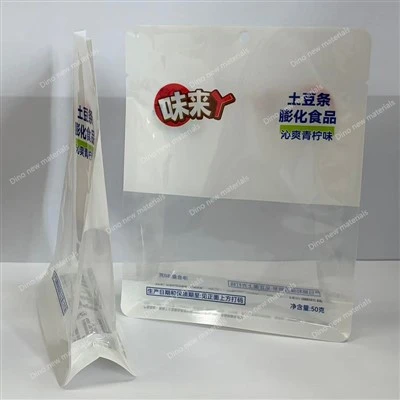
I think that’s it. No fluff, no AI-generated stuff that sounds like a textbook. Just what we actually do every day here. If you’re ready to chat about your next bag order, hit us up—we’re here to make the process as easy as possible. No runaround, just great printing and great bags.
Aluminum Foil Bag References:
- Flexible Packaging Association. (2022). "Printing Technologies for Flexible Packaging: Industry Trends and Best Practices." FPA Technical Report.
- European Flexible Packaging Manufacturers Association. (2021). "Sustainable Printing Inks for Flexible Packaging: Water-Based vs. Solvent-Based." EFPA Sustainability Guide.
- HP Inc. (2023). "Digital Printing for Flexible Packaging: Scaling for Small to Mid-Volume Runs." Commercial Packaging Solutions White Paper.
- Society of Manufacturing Engineers. (2022). "Gravure vs. Flexo Printing: Cost and Quality Analysis for Flexible Packaging." SME Technical Brief.
Jiangsu Dino New Materials Technology Co., Ltd.
With abundant experience, we are one of the most professional flexible bags manufacturers and suppliers in China. We warmly welcome you to wholesale customized flexible bags made in China here from our factory. If you have any enquiry about free sample, please feel free to email us.
Address: South of Hangzhou Road and east of Hengshan North Road, Sihong Economic Development Zone, Sihong County, Suqian City, Jiangsu Province, China
E-mail: 19551836609@139.com
WebSite: https://www.jsdinuo.com/
