Hey there, if you’ve ever stood in a busy mall’s common area, a small restaurant’s dining section, or even a mid-sized office conference room and thought “holy cow, this echo is making my head hurt,” you’re not alone. A lot of commercial spaces get designed with looks and foot traffic in mind… and sound gets totally overlooked. That’s where I come in – I’ve been selling acoustic wall panels for a few years now, and one question I get asked ALL the time is: can these panels actually work in commercial buildings? Spoiler alert: yeah, they not only work – they’re basically a game-changer for most commercial spaces. Let me break this down like I would with a café owner panicking about their lunch rush noise, no fancy jargon or confusing acronyms (okay, maybe one tiny one that’s super common: STC, which is Sound Transmission Class – just think of it as a number that tells you how well something blocks sound). Acoustic Panel Wall Panel
First, let’s get real about what commercial spaces actually need. It’s not just fancy offices, either – we’re talking retail stores, gyms, hospitals, co-working spots, even big-box stores. For example, a doctor’s office waiting room? You don’t want the sound from the check-in desk bouncing all over the place, making it hard for patients to hear their names being called and also hard for staff to keep conversations private. A co-working space? Some people are typing furiously, some are on Zoom calls, some are taking calls on their cell phones – no one wants to deal with a dozen overlapping noises that make it impossible to focus. And a trendy coffee shop where people work on their laptops all day? You want the space to feel cozy, not like a giant echo chamber where you can barely hear the barista’s order call over the blender.
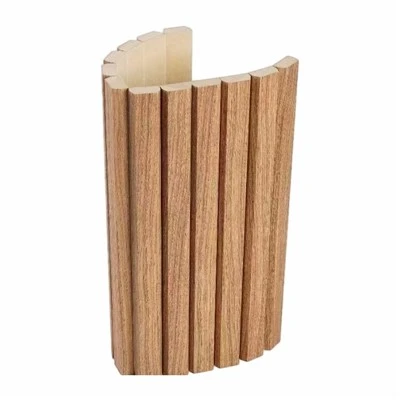
Acoustic wall panels fit into all of these spaces because they’re not your grandma’s ugly foam panels that look like they belong in a high school band room. Today’s ones come in literally every finish – wood veneer, fabric wraps, even custom prints so you can match your store’s logo or a café’s interior design. So they don’t just fix noise – they look good doing it, which is huge for commercial buildings where aesthetics matter just as much as function.
Now, let’s talk science a little, because I want you to understand why these panels actually work, not just take my word for it. Sound travels in waves, right? When a sound wave hits a hard surface like concrete or tile, it bounces back – that’s what causes echo and reverberation (that lingering “rumble” after someone talks in an empty room). Acoustic panels are made of porous materials (think fiberglass, mineral wool, or even recycled materials these days) that absorb those sound waves instead of letting them bounce. They trap the energy of the sound waves inside the panel, turning that noise into tiny amounts of heat (yes, really) so there’s less sound bouncing around the room.
But wait, can they actually handle the wear and tear of a commercial building? That’s a big concern for business owners – they don’t want to install panels that get scuffed by moving furniture, stained by coffee spills, or start falling off walls a year later. The short answer is: yes, if you pick the right panels for the space. For high-traffic areas like gyms or retail stores, we recommend panels with a durable, wipeable fabric cover or a hard laminate finish that can handle being touched up with a damp cloth if something spills. For office conference rooms, maybe a softer fabric that still looks professional, but has a rigid backing to keep it in place even if someone bumps into the wall. I’ve had clients put panels in a busy downtown café that’s been open for 3 years, and they still look like new – because we installed the right ones for their specific use case.
Let me share a real client example to make this concrete. Last year, a small boutique hotel in a major city hit me up because their event spaces were a disaster. They hosted wedding receptions, corporate meetings, and cocktail hours, and guests kept complaining that it was so loud they couldn’t hear each other talk, even at a table next to each other. The hotel’s interior designer initially wanted to hang tapestries, but those don’t actually absorb sound the way panels do (tapestries are more for decor, not acoustics). We ended up installing custom-sized acoustic wall panels in a neutral linen fabric along the walls of the two event spaces – no one could tell they were acoustic panels at first, because they matched the rest of the decor perfectly. A month later, the hotel manager emailed me saying their guest satisfaction scores went up 20% specifically because of the noise level, and they’ve already referred three other hotels to us. That’s the stuff that makes my job worth it.
Another common question I get: “Can acoustic panels help with privacy too, not just reduce echo?” A lot of people mix up sound absorption and sound blocking, but here’s the thing – certain acoustic wall panels do both, depending on their design. If you have a partition wall in an office that separates two workstations, a sound-dampening panel will cut down on noise bouncing between the two sides, but if you want to block sound entirely, you might pair panels with a sealed partition. But for most commercial uses – like a hospital’s patient room or a restaurant’s booths – the right acoustic panel will make a huge difference in how private conversations feel. For example, a dentist’s office that has a waiting room and a consultation area next to each other – installing panels on the wall between those areas will stop the sound of patients talking in the waiting room from being heard during a consultation, which is huge for HIPAA compliance (you know, that privacy rule for healthcare) as well as patient comfort.
Wait, what about open-concept offices? Everyone’s been talking about open-concept layouts for years, and while they’re great for collaboration, they’re terrible for noise. I recently helped a startup with 50 employees in an open floor plan – before we installed panels, employees said they could hear every conversation across the room, and people were taking less calls because they didn’t want to be heard. We installed smaller acoustic wall panels as “accent walls” along the sides of the office, and even added a few smaller panels that they can put up in impromptu meeting spots. Within a month, they reported that focus time went up 35%, and people were more comfortable taking calls because the noise level had dropped drastically. The best part? The panels came in the company’s brand colors, so they didn’t stick out like a sore thumb – they actually matched the office’s modern vibe.
Now, let’s address the elephant in the room: cost. I know what you’re thinking – “acoustic panels must be super expensive, right?” But here’s the thing: when you factor in the hidden costs of bad acoustics, they’re actually a smart investment. Think about it: if your employees are dealing with constant noise, their productivity drops, and you might have higher turnover because they hate working in the space. For retail stores, if customers can’t hear the sales associate over the noise, they’re less likely to make a purchase. For restaurants, if the noise is too loud, customers stay less time and spend less money. I had a restaurant owner tell me that after installing our panels, their average check went up by 12% because customers stayed longer and were more relaxed. Yeah, that’s the kind of ROI you can’t ignore. And let’s be real – acoustic panels don’t need to be replaced every few years, unlike some other design elements, so they’re a long-term investment that pays off.
Is there any space where acoustic wall panels don’t work? Honestly, I can’t think of many. Maybe a super small closet, but that’s not a commercial space. The only time I have to tell a client to hold off is if they’re looking for something that’s going to block heavy machinery noise (like a factory floor) – for that, you need thicker, more specialized sound barriers, not the standard acoustic wall panels we sell. But for 99% of commercial buildings – offices, retail, restaurants, hotels, healthcare, gyms, schools – they work perfectly.
I also want to touch on sustainability, because that’s a huge concern for commercial owners these days. A lot of our acoustic panels are made with recycled materials – we use things like recycled plastic bottles and reclaimed wood for some of the finishes, and the core is often made from mineral wool, which is non-toxic and lasts for decades. That’s a big selling point for businesses that are trying to get LEED certification or just be more eco-friendly. Plus, since they absorb sound, they can actually help reduce the need for other things like space-heating or cooling (sound waves can carry heat energy, so absorbing them means less heat escaping or entering a space, slightly lowering energy costs).
Now, if you’re a commercial building owner, manager, or designer reading this, maybe you’re thinking – okay, this sounds great, but how do I get started? The good news is that you don’t have to guess what kind of panels you need. I offer free acoustic consultations – yeah, really, no hidden fees. I’ll come out to your space, listen to the noise issues you’re dealing with, look at your design needs, and recommend the right panels for your space. I’ve worked with everything from 100-person office buildings to small 20-seat cafes, so I know how to tailor solutions to any budget and space.
Wait, let’s make sure this isn’t all salesy, because I’m just a regular guy who’s been in this industry for years, not some corporate suit. I’ve had clients come to me with a super specific issue – like a library that was too quiet (ironically, libraries need good acoustics too, because even a small whisper sounds loud in an empty room) – and we found panels that absorbed just enough sound to make it comfortable without making it feel dead. I’ve also had clients who were on a super tight budget, and we installed panels only in the noisiest areas first, like near the front door or by the coffee bar, and they still saw a huge improvement in noise level.

At the end of the day, commercial buildings exist for people to work, shop, eat, or stay – and no one can enjoy that if the noise is unbearable. Acoustic wall panels aren’t just a “nice-to-have” design element anymore – they’re a necessary part of making commercial spaces functional and comfortable. If you’re dealing with echo, noise that’s too loud, privacy issues, or just want to upgrade your space to be more inviting, don’t hesitate to reach out. I’d love to help you figure out the right acoustic solution for your commercial building, no pressure, just real advice from someone who’s been in the trenches with this stuff for years.
Flexible Wall Panel References:
- Occupational Safety and Health Administration (OSHA). Noise Control in the Workplace. U.S. Department of Labor, 2022.
- Acoustical Society of America (ASA). Noise Control in Commercial Buildings. ASA Press, 2021.
- National Institute of Building Sciences (NIBS). Acoustical Design for Commercial Facilities. NIBS, 2020.
- World Health Organization (WHO). Noise and Health. WHO Regional Office for Europe, 2018.
Linyi Zhongjia New Building Materials Co., Ltd.
As one of the most professional acoustic panel wall panel manufacturers in China, we offer a wide range of products with superior quality. Please rest assured to buy high-grade acoustic panel wall panel for sale here from our factory. We also accept customized orders.
Address: 6th Floor, Building B03, Lushang Center, Liuqing Street, Lanshan District, Linyi City, Shandong Province
E-mail: zhongjiafactory@gmail.com
WebSite: https://www.zjwalldecor.com/
