Making freeze-dried vegetables at home is an exciting and rewarding endeavor. As a freeze-dried vegetables supplier, I’ve seen firsthand the growing interest in home-based food preservation and the demand for high-quality, healthy snacks. In this blog, I’ll share the essential equipment you need to make freeze-dried vegetables right in your own kitchen. Freeze-Dried Vegetables
The Freeze – Drying Process Basics
Before diving into the equipment, it’s important to understand the freeze-drying process. Freeze-drying, also known as lyophilization, involves three main steps: freezing, primary drying (sublimation), and secondary drying. First, the vegetables are frozen solid. Then, through sublimation, the frozen water in the vegetables turns directly from a solid to a vapor without passing through the liquid phase. Finally, any remaining bound water is removed during the secondary drying phase. This process helps to preserve the nutritional value, flavor, and texture of the vegetables.
Essential Equipment for Home Freeze – Drying
1. Freezer
The first piece of equipment you need is a good-quality freezer. A standard home freezer will work, but for optimal results, a deep freezer is better. Deep freezers can maintain a lower and more consistent temperature, usually around -18°C to -20°C or even lower. This rapid and consistent freezing is crucial for the formation of small ice crystals in the vegetables, which leads to better sublimation during the drying process.
When using a freezer for freeze – drying, make sure to spread the vegetables in a single layer on baking sheets or trays. This allows for even freezing and helps prevent the vegetables from clumping together.
2. Vacuum Chamber
The vacuum chamber is the heart of the home freeze – drying setup. It is used to create a low – pressure environment where sublimation can occur. There are different types of vacuum chambers available.
- DIY Vacuum Chamber: You can build a simple DIY vacuum chamber using a large plastic container and a vacuum pump. The plastic container should be airtight, and the vacuum pump can be a small, affordable model designed for home use. However, DIY chambers may not provide the same level of vacuum as commercial ones.
- Commercial Vacuum Chamber: If you’re serious about home freeze – drying, investing in a commercial vacuum chamber is a good idea. These chambers are made of high – quality materials and can achieve a more consistent and deeper vacuum. They often come with features like pressure gauges and temperature sensors to help you monitor the process.
3. Vacuum Pump
A vacuum pump is necessary to remove air from the vacuum chamber and create the low – pressure conditions required for sublimation. When choosing a vacuum pump, consider the following factors:
- Pumping Speed: This is measured in liters per minute (L/min) or cubic feet per minute (CFM). A higher pumping speed means the pump can evacuate the chamber more quickly. For home freeze – drying, a pump with a moderate pumping speed (around 10 – 20 L/min) is usually sufficient.
- Ultimate Vacuum Pressure: This indicates the lowest pressure the pump can achieve. A lower ultimate vacuum pressure is better for the freeze – drying process, as it promotes more efficient sublimation. Look for a pump that can reach a pressure of at least 0.1 millibars.
4. Heating Source
During the primary and secondary drying phases, you need a heating source to supply the energy required for sublimation. There are a few options for heating in a home freeze – drying setup:
- Incandescent Lights: You can use incandescent light bulbs placed around the vacuum chamber to provide gentle heat. However, this method may not be very precise in terms of temperature control.
- Heating Mats: Heating mats are a more reliable option. They can be placed under the trays of vegetables in the vacuum chamber to provide a consistent source of heat. Look for heating mats with adjustable temperature settings so you can control the drying process.
5. Trays and Shelves
You’ll need trays and shelves to hold the vegetables inside the vacuum chamber. The trays should be made of a material that can withstand low temperatures and is compatible with the vacuum environment. Stainless steel or aluminum trays are good choices.
Make sure the trays are designed to allow for good air circulation around the vegetables. You can also use multiple shelves in the vacuum chamber to increase the amount of vegetables you can freeze – dry at one time.
6. Temperature and Pressure Sensors
Temperature and pressure sensors are essential for monitoring the freeze – drying process. These sensors can be connected to the vacuum chamber and a control unit.
- Temperature Sensors: They help you keep track of the temperature inside the chamber and the temperature of the vegetables. This is important because the drying process needs to be carried out at a specific temperature range to ensure optimal results.
- Pressure Sensors: Pressure sensors allow you to monitor the vacuum pressure inside the chamber. Maintaining the right pressure is crucial for sublimation to occur efficiently.
Optional Equipment
1. Dehydrator
While not strictly necessary for freeze – drying, a dehydrator can be a useful addition to your home food preservation setup. You can use a dehydrator to pre – dry the vegetables slightly before the freeze – drying process. This can reduce the overall drying time in the vacuum chamber and help to improve the texture of the final freeze – dried product.
2. Food Processor
A food processor can be handy for preparing the vegetables before freezing. You can use it to slice, dice, or puree the vegetables into the desired size and shape. This makes it easier to spread the vegetables in a single layer on the trays and can also improve the efficiency of the freeze – drying process.
Tips for Using the Equipment
- Clean and Prepare the Equipment: Before using any of the equipment, make sure it is clean and dry. This helps to prevent contamination of the vegetables during the freeze – drying process.
- Follow the Manufacturer’s Instructions: Each piece of equipment comes with its own set of instructions. Make sure you read and follow these instructions carefully to ensure safe and efficient operation.
- Start Small: If you’re new to home freeze – drying, start with a small batch of vegetables. This allows you to get familiar with the process and the equipment without wasting too much produce.
Why Home – Made Freeze – Dried Vegetables?
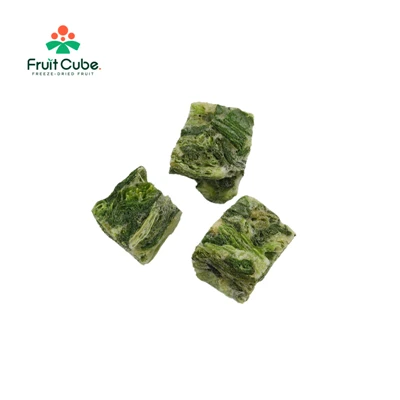
Making freeze – dried vegetables at home has several advantages. Firstly, you have complete control over the quality of the ingredients. You can use fresh, organic vegetables grown in your own garden or sourced from local farmers’ markets. Secondly, home – made freeze – dried vegetables are free from additives and preservatives, making them a healthier option for you and your family. Finally, it can be a fun and rewarding activity that allows you to experiment with different vegetables and flavors.
Contact for Procurement
Freeze-Dried Fruits If you’re interested in high – quality freeze – dried vegetables for your business or personal use, I’d love to hear from you. As a reputable freeze – dried vegetables supplier, I offer a wide range of freeze – dried vegetable products that are made using the latest technology and strict quality control measures. Whether you’re a retailer, a food manufacturer, or simply someone who loves healthy snacks, I can provide you with the perfect freeze – dried vegetables to meet your needs. Feel free to reach out to me for more information and to start a procurement discussion.
References
- "Food Dehydration: A Comprehensive Review" by John M. Coulombe.
- "Principles of Food Preservation" by Stanley R. Labbe and Jennie S. Castle.
- "Freeze – Drying of Pharmaceuticals" by Charles J. Pikal.
Fruit Cube (Shandong) Food Technology Co., Ltd.
As one of the most professional freeze-dried vegetables manufacturers and suppliers in China, we’re featured by quality products and good service. Please rest assured to wholesale bulk freeze-dried vegetables for sale here from our factory. For price consultation, contact us.
Address: Room 1001, Building 2, Dongyi Cultural and Creative Park, Yihe New District, Linyi City, Shandong Province
E-mail: sales@freezedried-fruit.com
WebSite: https://www.freezedried-fruit.com/
