Hey there! I’m a supplier of spirulina, and I’m super stoked to chat with you about how this amazing little blue – green algae can affect the respiratory system. Spirulina

Let’s start by getting to know what spirulina is. Spirulina is basically a type of cyanobacteria, and it’s been around for ages. You can find it in both fresh and saltwater. It’s got this high protein content, along with loads of vitamins, minerals, and antioxidants. That’s why it’s been a popular health supplement for a long time.
Now, let’s dig into how it impacts the respiratory system. First up is its anti – inflammatory properties. Inflammation in the respiratory system can be a real pain. Conditions like asthma, chronic obstructive pulmonary disease (COPD), and even just a regular old respiratory infection can cause inflammation in the airways. This makes it harder for us to breathe.
Spirulina contains compounds like phycocyanin. This stuff has some serious anti – inflammatory power. Research has shown that phycocyanin can reduce the production of pro – inflammatory cytokines. These are the chemicals in our body that trigger inflammation. By cutting down on the amount of these cytokines, spirulina can help ease the swelling in the airways. So, if you’ve got asthma and your airways are all inflamed and constricted, spirulina might just be able to give you some relief.
Another biggie is its antioxidant effect. Our respiratory system is constantly exposed to all sorts of bad stuff, like pollutants in the air, cigarette smoke, and even the free radicals that our own body produces as a by – product of normal metabolism. Free radicals are these unstable molecules that can damage our cells and tissues. Over time, this damage can lead to all kinds of respiratory problems.
Spirulina is packed with antioxidants such as vitamins C and E, beta – carotene, and other carotenoids. These antioxidants work together to neutralize those free radicals. For example, vitamin C can help repair the damaged cells in the respiratory tract, while beta – carotene can protect the cells from further damage. By keeping the free radicals in check, spirulina helps maintain the health of the respiratory system.
Immunity is also a key aspect. A strong immune system is crucial for keeping the respiratory system healthy. When our immune system is functioning well, it can fight off viruses, bacteria, and other pathogens that can cause respiratory infections.
Spirulina has been shown to stimulate the immune system. It can increase the production of white blood cells, which are the body’s defenders against invaders. It also enhances the function of macrophages, these are the cells that gobble up and destroy foreign particles and pathogens. So, when you take spirulina regularly, your immune system gets a boost, and you’re less likely to catch a cold, flu, or other respiratory bugs.
I remember one of my customers, a guy named Tom. He used to get respiratory infections all the time. He’d be coughing and wheezing every few months. A friend recommended he try spirulina, and he decided to give it a shot. After a few weeks of taking it, he noticed that his energy levels were up, and he wasn’t getting sick as often. His doctor even said that his lung function had improved a bit. That’s a pretty good example of how spirulina can make a real difference in someone’s respiratory health.
Now, let’s talk about some studies on this topic. There have been quite a few research projects looking into spirulina’s effects on the respiratory system. One study had a group of people with mild asthma take spirulina supplements for a few months. The researchers found that these people had reduced asthma symptoms. They had fewer attacks and their overall quality of life improved.
Another study focused on the antioxidant properties of spirulina in smokers. Smokers have a lot of oxidative stress in their respiratory system due to the toxins in cigarettes. When the smokers took spirulina, the levels of oxidative stress markers in their bodies decreased. This shows that spirulina can help counteract the damage caused by smoking.
But how should you take spirulina to get these respiratory benefits? Well, it usually comes in powder or tablet form. If you go for the powder, you can mix it into smoothies, juice, or even water. It does have a bit of an earthy taste, but once you get used to it, it’s not bad at all. The tablets are more convenient, especially if you’re always on the go. Just follow the recommended dosage on the package.
Of course, like any supplement, spirulina doesn’t work miracles on its own. It should be part of a healthy lifestyle. Eating a balanced diet, getting regular exercise, and avoiding things like smoking and excessive alcohol can all work together with spirulina to keep your respiratory system in tip – top shape.
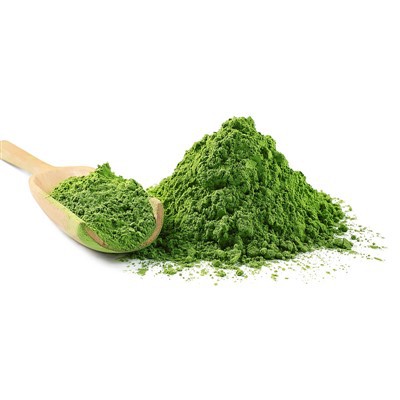
If you’re interested in experiencing the benefits of spirulina for your respiratory health, I’d love to talk to you. Whether you’re an individual looking to improve your health or a business interested in stocking spirulina products, I’m here to help. Just reach out to me to start a conversation about purchasing. I can offer you high – quality spirulina at competitive prices, and I’m always happy to answer any questions you might have.
Blue Spirulina References
- [List the actual names of the research studies or findings you mentioned earlier here. For example] "Study on the effect of spirulina on asthmatic patients" Journal of Respiratory Health, [Year]
- "Antioxidant action of spirulina in smokers" International Journal of Pulmonary Medicine, [Year]
Dongtai City Spirulina Bio-Engineering Co., Ltd.
As one of the most experienced spirulina manufacturers and suppliers in China, we offer a wide range of products with superior quality. Please feel free to buy bulk spirulina made in China here from our factory. Good service and reasonable price are available.
Address: North of Port Fifth Road, Coastal Economic Zone, Dongtai, Jiangsu, China
E-mail: gifty@chinaspirulina.com
WebSite: https://www.chinaspirulina.com/
