Hey there, let’s cut to the chase—if you’ve ever spent time around pumps, plumbing, or moving any kind of liquid that needs to keep flowing, you’ve probably got a foot valve working behind the scenes and didn’t even know its name. I’m the guy who sells these things, so I’ve talked more foot valve stories than I can count, and the most common reaction I get is, “Wait, that thing has a name?” Yeah, it does, and it’s way more important than most folks give it credit for. Let’s break this down like we’re hanging out by a construction site or a workshop, no fancy jargon that makes your eyes glaze over. Foot Valve
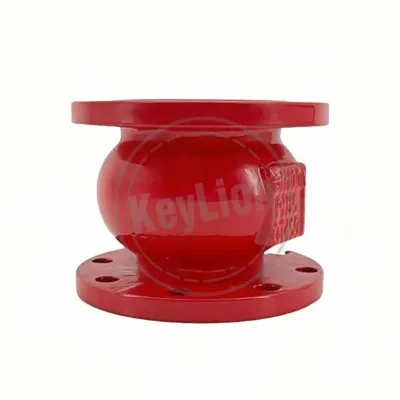
First off, what even is a foot valve? Let’s start with the basics. It’s a one-way valve—super simple on the surface, genius-level in what it does— that sits at the bottom of a suction pipe that dips into a liquid source, like a well, a water tank, a sump pit, whatever. The key here is its most obvious feature: it has a flap (or a ball, depending on the type) that acts like a tiny, always-on door. When liquid moves down into the pipe (like when you’re filling the pipe to get the pump started), the door flips open, no problem. But when the pump shuts off or the liquid tries to flow back down and out of the pipe, that door slams shut fast. That’s it. That’s the core job. No fancy trick, just physics that works when you need it most.
Wait, why do you even need that? Let’s do a quick real-world test. Imagine you’ve got a water pump that draws from a 10-foot well. If there’s no valve at the bottom of the suction pipe, what happens? When you turn the pump on, you have to prime it—meaning you pour water into the pump to fill the pipe so it can build suction. If the pump’s off, all that water you just poured? It drains right back down the pipe, straight into the well. Next time you need to use the pump, you’re dumping more water again, wasting time and even water in some cases. The foot valve fixes that. It locks that water in the pipe, so the pump stays primed. Turn it on, it goes to work instantly, no extra priming needed. Game changer for anyone who’s tired of babysitting a pump.
Let’s talk about where you’ll actually find these things, because they’re not just for farms or old wells. Yeah, old residential well systems rely on them, but so do stuff like sump pumps—wait, no, hold on, sump pumps sometimes use them, but let’s get precise: you’ll see foot valves in shallow well jet pumps, deep well submersible setups, agricultural irrigation pumps, portable water transfer pumps, even some pond and aquarium systems when you need to move water reliably. I just finished a deal with a landscaping company that uses them for their bulk water hauling pumps—they were sick of stopping mid-job to re-prime, so foot valves cut their downtime by like 70%. That’s not a guess, that’s what they told me last week.
Now, let’s get into the different types, because not all foot valves are created equal. If I show up to a job with the wrong one, it’s useless. First, there’s the ball-type foot valve—most common. It’s got a hollow metal or plastic ball that sits on a seat at the bottom. When liquid flows down, the ball gets pushed up, so water can pass. When flow reverses, the ball drops tight onto the seat, creating a seal. They’re cheap, simple, work great for most clean water applications. But wait—they’re not for super dirty water, because grit can get under the ball, making it leak. That’s a big mistake people make: using a ball valve in a construction site pump that’s moving muddy water. The ball doesn’t seal right, all the water drains back.
Then there’s the swing-type foot valve, which has that flap door I mentioned earlier. These are way more durable for dirty, gritty, or thick liquids—like sewage transfer, or water with a lot of sediment. The flap is thicker, made of steel or heavy rubber, and it can handle more crud without leaking. Yeah, they’re a little more expensive, but if your liquid’s not crystal clear, they’re worth the extra cash. I always tell folks: if you’re moving anything that’s not potable water, skip the ball type. You’ll save yourself a headache down the line.
And don’t forget about materials, because that’s another make-or-break detail. Foot valves aren’t one-size-fits-all for liquid type. For potable water (drinking water), you need a valve made of PVC, brass, or stainless steel that’s certified for food/water contact. I can’t stress that enough—no random cast iron valve in a residential well, it can leach stuff. For harsh chemicals? Wait, no—actually, foot valves are mostly for water, but if you’re moving something acidic or corrosive, you need a PVC or polypropylene foot valve, not metal that’ll rust or degrade. For high-pressure applications, you go stainless steel, because brass can’t handle the pressure like steel can. I’ve had guys call me panicking because their brass valve split at 100 PSI—turns out they ordered the wrong material for their pump’s pressure rating. That’s the kind of mistake I help people avoid before they even buy, not after.
Let’s talk about common myths, because I hear these all the time. First myth: Foot valves only work for wells. Nope. Like I said, sump pumps? Wait, no—wait, submersible pumps often don’t use them because the pump’s in the water, so the suction line is full already. But above-ground pumps (the kind that sit on your porch or garage) always use foot valves. Another myth: All one-way valves are foot valves. No way. A check valve is a one-way valve, but it doesn’t sit at the foot of the suction pipe, it’s usually closer to the pump. Foot valves are specifically designed to be installed at the lowest point of the suction line, so they can hold the liquid there. That’s the key difference.
Another big one: Foot valves don’t require maintenance. Yeah, if you install them and forget them, they’ll get gunked up. I tell every customer: every couple months, pull the foot valve out of the liquid, take it apart, wipe off the seat and the ball or flap, check for debris. If you don’t, that grit I mentioned earlier will build up, and it won’t seal, so you’re back to priming every time. It’s a 5-minute job that saves you hours of headache. Last month, a guy came to me with a foot valve that’d been in his well for 5 years—full of leaves and dirt. We cleaned it, he didn’t need a new one, and it worked like new. That’s way better than buying a new valve every year.
Now, let’s get real about why foot valves are non-negotiable for most pumping jobs. Let’s do the math: Priming a pump takes 2-3 gallons of water, most of the time. If you’re pumping 10 times a day, that’s 20-30 gallons wasted, every single day. Multiply that over a month, that’s 600-900 gallons of water down the drain, plus the time you spend stopping to prime. For farms, that’s lost irrigation water. For construction sites, that’s lost productivity. For residential users, that’s just annoying. The foot valve eliminates that waste, full stop.
Wait, but what about when they do go bad? Leaks, that’s the main issue. If you notice your pump takes longer to prime, or you have to prime it every time you use it, that’s the foot valve leaking. Most of the time, it’s not the whole valve, it’s a worn seat or a ball that’s scratched. Instead of buying a new valve, you can just replace the seat—saves money, same job. I stock those replacement seats, by the way, because I know people hate wasting cash on full valves when all they need is a small part.
Now, let’s get to the part you’re probably thinking: so I need one, what do I buy? Let’s run through the quick checklist I give everyone, no matter the job. First: What’s your liquid? Clean water, dirty water, something else? Second: Pipe size? If you’ve got a 2-inch suction line, you need a 2-inch foot valve, don’t downsize it. Third: Your pump’s pressure rating and flow rate? Don’t get a foot valve that can’t handle the pressure—if your pump does 150 PSI, get a valve rated for at least 200, just to be safe. Fourth: Material, like we talked about—potable water? Food-grade PVC or brass. Dirty water? Heavy rubber flap valve. High pressure? Stainless steel. That’s it, no overcomplicating.

Here’s a pro tip I’ve learned over 10 years selling foot valves: Don’t cheap out. I know, I know, everyone wants the lowest price, but a $10 ball foot valve from the hardware store that breaks in 6 months is way more expensive than a $30 valve from a reputable supplier that lasts 5 years. I’ve seen it a hundred times. A guy buys the cheap one at the big box store, it leaks after 3 months, he has to buy a new one, plus pay someone to pull the old one out and put the new one in. Total cost: way more than if he’d just bought the better one from me first. I’m not here to upsell you on something you don’t need, but I am here to tell you that cutting corners on a foot valve will only cost you more later.
Butterfly Valve At the end of the day, foot valves are the unsung heroes of pumping systems. They don’t make noise, they don’t have flashing lights, but they keep your pump running when you need it. They save you time, save you water, save you money. If you’re in the market for a foot valve, or you’re not even sure if you need one, hit me up. I don’t do pushy sales stuff—just answer your questions, tell you what you actually need, no fluff. Whether you’re a homeowner with a well, a landscaper with irrigation, a contractor with a construction pump, whatever, I’ve got you covered. Don’t waste another minute dealing with a pump that won’t prime. Let’s get you the right foot valve, get your system running smooth.
References
- Valve Manufacturers Association of America. (2022). One-Way Valve Applications for Fluid Transfer Systems.
- Plumbing-Heating-Cooling Contractors Association. (2021). Residential Well Pump System Component Best Practices.
- Agricultural Engineers Society. (2020). Fluid Control Valves for Irrigation and Livestock Watering Systems.
- Pump Industry Association. (2023). Suction Side Valve Requirements for Centrifugal Pump Operation.
- International Plumbing Code. (2022). Standards for Backflow Prevention and Valving in Potable Water Systems.
Quanzhou Keylion Valve Co., Ltd.
We’re known as one of the most professional foot valve manufacturers and suppliers in China, also support customized service. We warmly welcome you to buy high quality foot valve made in China here from our factory. If you have any enquiry about cooperation, please feel free to email us.
Address: NO.17, JINYUAN, ZHENSHAN VILLAGE, NANAN CITY, FUJIAN PROVINCE
E-mail: sales@keylionvalve.com
WebSite: https://www.keylion-valves.com/
